Papagoite Quartz Gradients: Elevating Your Design Projects with Premium Textures
Papagoite Quartz Gradients are a powerful resource for designers, creators, and professionals looking to enhance their visual projects with high-quality, modern textures. These gradients are designed to be versatile, compatible, and ready to integrate into various creative workflows. Whether you're working on branding materials, digital art, or social media content, Papagoite Quartz Gradients offer a seamless way to add depth, dimension, and a touch of elegance to your designs.
Understanding Papagoite Quartz Gradients
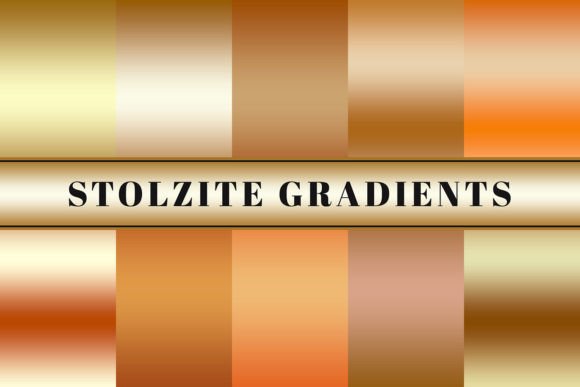
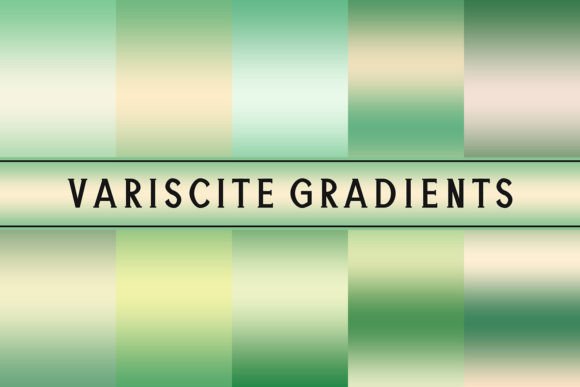
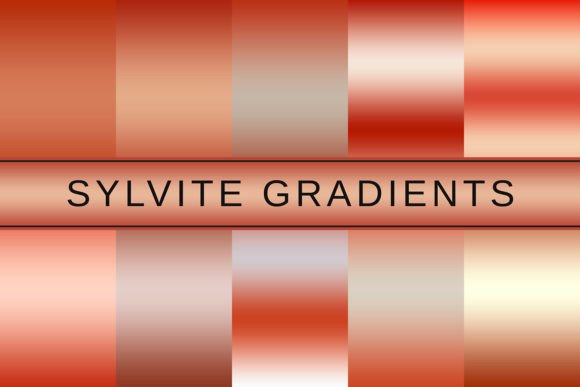
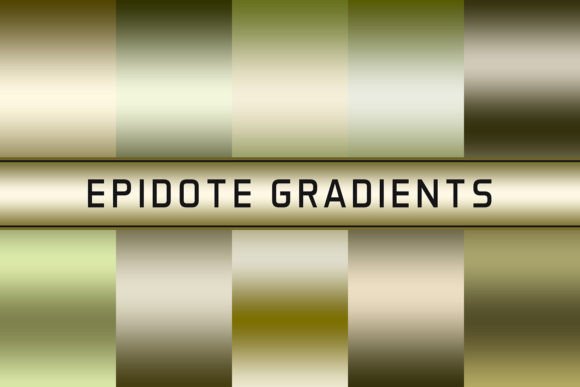
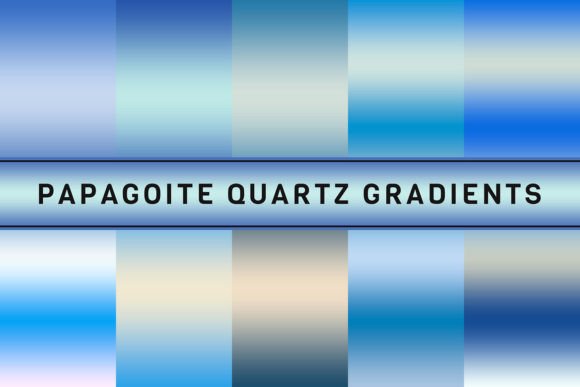
Papagoite Quartz Gradients are premium quality texture packs that feature a unique blend of colors inspired by the natural beauty of quartz stones. The gradients are crafted to mimic the subtle variations and reflective properties found in real-world materials, making them ideal for adding realism and sophistication to any project.
These gradients come in GRD format, which is fully compatible with Adobe Photoshop CC or higher versions. This compatibility ensures that users can easily import and apply the gradients within their preferred design software without encountering technical barriers or limitations.
Where Papagoite Quartz Gradients Fit in Your Creative Process
Incorporating Papagoite Quartz Gradients into your workflow can happen at various stages of a design project. Here's how they can be used before, during, and after the creative process:
- Pre-Design Phase: Use these gradients as mood boards or reference materials to establish the visual tone and aesthetic direction of your project. They can help set the foundation for color schemes and overall design themes.
- During Design: Apply the gradients directly to backgrounds, overlays, or text elements to create visually appealing compositions. Their versatility allows them to work well with both minimalist and intricate design styles.
- Post-Design Phase: Enhance final outputs with Papagoite Quartz Gradients to add finishing touches that elevate the overall look and feel of your design. This is especially useful for print and digital media where texture plays a crucial role in visual appeal.
Integration with Other Tools and Resources
Papagoite Quartz Gradients are not only compatible with Adobe Photoshop but also work seamlessly with other design tools and platforms. Their GRD format ensures that they can be imported into most graphic design software that supports gradient files. This makes them a valuable asset for anyone using a variety of design applications, from Canva to Illustrator.
When combined with other design resources such as stock images, vector graphics, and typography, Papagoite Quartz Gradients can significantly enhance the visual impact of your projects. For instance, pairing them with high-resolution photos can create stunning layered effects that draw attention and add depth to your designs.
Workflow Examples for Using Papagoite Quartz Gradients
Here are a few practical examples of how you can use Papagoite Quartz Gradients in different design scenarios:
- Business Cards: Use the gradients as background textures to give your business cards a professional yet artistic look. Pair them with clean typography and minimalist layouts for a modern appearance.
- Social Media Posts: Apply the gradients to background layers in Canva or Photoshop to create eye-catching posts that stand out on feeds. They can also be used as overlays to add subtle texture to images and text.
- Photography Albums: Incorporate the gradients as background elements in digital scrapbooking or photo albums to create a cohesive and elegant look across all pages.
- Product Packaging: Use the gradients to design packaging that reflects the brand’s identity while maintaining a premium feel. The textures can be applied to both digital mockups and physical prints.
Practical Implementation Tips
To get the most out of Papagoite Quartz Gradients, consider the following tips:
- Experiment with Layering: Try layering multiple gradients or combining them with solid colors to achieve unique effects. This can help you discover new ways to use the textures in your projects.
- Adjust Opacity: Modifying the opacity of the gradients can help you achieve the desired level of subtlety or intensity. This is particularly useful when working with transparent or semi-transparent elements.
- Use as Overlays: Apply the gradients as overlays on top of images or text to add depth without overpowering the main content. This technique works well for creating vintage or metallic effects.
- Stay Organized: Keep your gradient files organized in a dedicated folder or library for easy access. This will save time and streamline your workflow, especially when working on multiple projects simultaneously.
Factors to Consider for Long-Term Use
When integrating Papagoite Quartz Gradients into your long-term design workflow, it's important to consider factors such as preparation, usability, and consistency. Here are some key points to keep in mind:
- Preparation: Ensure that your design software is up to date and compatible with GRD files before importing the gradients. This will prevent any issues related to file recognition or rendering.
- Usability: Choose gradients that align with your project goals and aesthetic preferences. Experiment with different options to find the ones that best suit your needs.
- Consistency: Maintain a consistent style across all your projects by using similar gradients or color schemes. This helps create a unified brand identity and enhances the professionalism of your work.
- Quality Control: Always review your designs after applying gradients to ensure that they look good on all devices and screen sizes. This includes checking for clarity, contrast, and overall visual appeal.
Papagoite Quartz Gradients are more than just decorative elements—they are functional tools that can significantly improve the quality and impact of your design projects. By understanding how to use them effectively and integrating them into your workflow, you can unlock new creative possibilities and elevate your work to the next level.