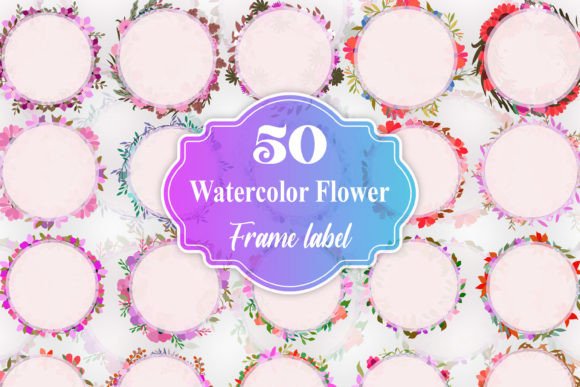
Flower Frame Label: A Versatile Design Element for Creative Projects
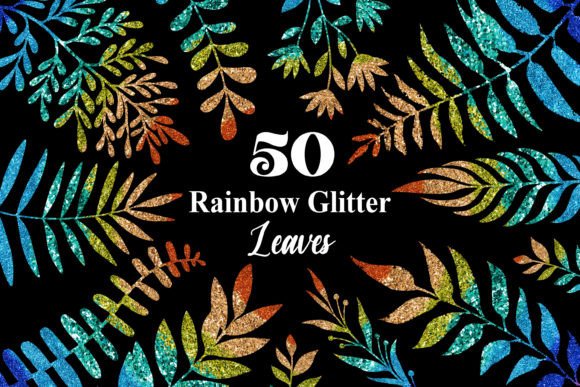
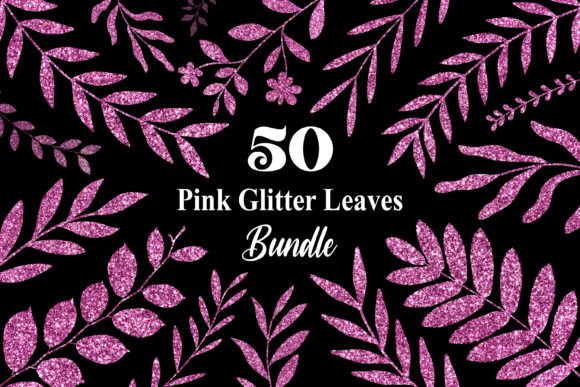
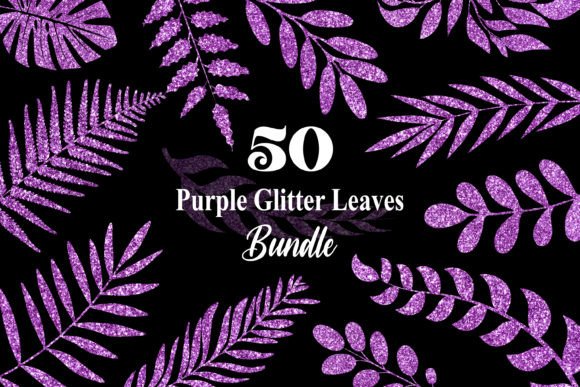
The Flower Frame Label is a digital design asset that offers a unique way to incorporate floral elements into various creative projects. These high-quality PNG files feature transparent backgrounds, making them easy to integrate into different media types. With dimensions of 3000×2000 pixels and a resolution of 300 DPI, they are suitable for both print and digital use. Whether you're working on wedding invitations, scrapbooking, or web graphics, the Flower Frame Label provides an elegant and versatile option.
Designed with RGB color, these labels ensure vibrant and accurate color representation across different platforms. The bundle includes 50 individual PNG files, giving users a wide range of options to choose from. This makes it ideal for those looking to add a touch of nature and sophistication to their work without the need for custom illustration.
Why Consider Using Flower Frame Labels?
There are several reasons why someone might be interested in using Flower Frame Labels. First and foremost, they offer a quick and efficient way to enhance visual appeal. For individuals involved in graphic design, event planning, or crafting, these labels can serve as a time-saving solution. They eliminate the need for drawing or sourcing individual flower images, which can be both time-consuming and costly.
Additionally, the transparent background feature allows for seamless integration with other design elements. This flexibility makes them particularly useful for creating layered compositions, such as collage art or photo albums. Users can easily overlay text, photographs, or other graphics without worrying about background conflicts.
For those engaged in business card design or stationery creation, the Flower Frame Label adds a personal and artistic flair. It helps create a cohesive theme while maintaining professionalism. This is especially beneficial for boutique businesses or independent creators looking to stand out in a competitive market.
Benefits and Tradeoffs
One of the main benefits of using Flower Frame Labels is their versatility. They can be used in a wide array of applications, including weddings, parties, home decor, and more. Their high-resolution format ensures clarity even when printed at larger sizes, making them suitable for both small and large-scale projects.
However, there are also tradeoffs to consider. While these labels provide a ready-made solution, they may not be suitable for highly specialized or unique design needs. Custom illustrations or vector graphics might be necessary for projects requiring a more personalized or intricate look. Additionally, users should be aware that the design style of these labels may not align with every project's aesthetic, so careful selection is important.
Another consideration is the learning curve associated with using digital assets effectively. Users who are new to graphic design software may need some time to familiarize themselves with how to manipulate and place these labels within their projects. However, many design tools offer tutorials and guides to help users get started.
Situations Where Flower Frame Labels Are a Strong Fit
Flower Frame Labels are particularly well-suited for creative projects that benefit from a natural, floral theme. Wedding-related items such as invitations, cards, and decorations are a common application area. The delicate and ornate designs of these labels complement the romantic and elegant atmosphere often associated with weddings.
Similarly, they are excellent for scrapbooking and collage-making. The transparency and high resolution allow for seamless blending with photos and other paper elements. This makes them ideal for creating visually appealing layouts that highlight personal memories or events.
In the realm of digital design, these labels are useful for creating web graphics, social media content, and promotional materials. Their adaptability ensures that they can be scaled appropriately without losing quality, making them a reliable choice for online use.
When Alternatives Might Be Worth Considering
While Flower Frame Labels offer numerous advantages, there are scenarios where alternative options may be more appropriate. For instance, if a project requires a completely original or bespoke design, hiring a professional illustrator or using vector-based software could be a better choice. This approach allows for full customization and ensures that the final product meets specific requirements.
Additionally, for those working on minimalist or modern designs, the ornate nature of these labels might not be suitable. In such cases, simpler geometric shapes or abstract designs could provide a more harmonious visual outcome. It’s important to evaluate the overall aesthetic of the project before deciding on the type of design elements to use.
Another factor to consider is the cost. While the Flower Frame Label Bundle offers value for money by providing multiple designs, purchasing individual illustrations or hiring a designer might be more cost-effective for complex or large-scale projects.
Practical Insights for Decision-Making
When evaluating whether to use Flower Frame Labels, it's essential to consider the project's goals, timeline, and budget. If time is a constraint and a quick, aesthetically pleasing solution is needed, these labels can be an excellent resource. However, if the project requires extensive customization or a unique look, exploring alternative methods may be more beneficial.
It’s also worth experimenting with different label styles to find the best fit for your project. Many design platforms allow for layering, resizing, and adjusting colors, which can help tailor the labels to match the overall theme. Testing the labels in different contexts can provide valuable insights into their suitability.
Ultimately, the decision to use Flower Frame Labels depends on the specific needs and preferences of the user. By weighing the benefits against potential tradeoffs and considering alternative options, individuals can make informed choices that align with their creative goals and practical requirements.