Sushi Seamless Pattern: A Versatile Design Asset for Creative Projects
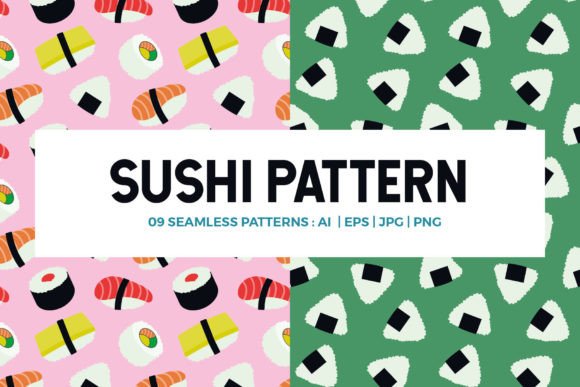
Designers, creators, and professionals in the creative industry often seek high-quality assets that can elevate their projects. One such asset is the Sushi Seamless Pattern, a collection of nine seamless designs inspired by sushi culture. These patterns are ideal for a wide range of applications, from fashion and packaging to digital interfaces and print materials.
What Is Sushi Seamless Pattern?
The Sushi Seamless Pattern is a set of nine unique, high-resolution seamless patterns that capture the essence of sushi in visual form. Each pattern is crafted with attention to detail, ensuring it can be used in various design contexts without losing quality or coherence.
This collection includes one AI file containing all nine patterns on a single artboard, along with JPEG, PNG, and EPS files for each individual pattern. The dimensions of each file are 2000px x 2000px, making them suitable for both print and digital use.
Key Features of Sushi Seamless Pattern
- High Resolution: All files are 2000px x 2000px, ensuring crisp and clear visuals even when scaled up.
- Editable AI Files: The AI file allows users to modify colors, scale, and adjust the patterns as needed, providing flexibility for custom design work.
- Multiple File Formats: JPEG, PNG, and EPS formats cater to different needs, whether you're working digitally or preparing for print.
- Seamless Repetition: Each pattern is designed to repeat seamlessly, making them perfect for backgrounds, textiles, and other continuous design elements.
Applications of Sushi Seamless Pattern
The versatility of the Sushi Seamless Pattern makes it a valuable resource for a variety of industries and creative fields. Here are some common uses:
- Fashion and Apparel: Use these patterns for fabric prints, t-shirts, scarves, and accessories. The vibrant and culturally rich motifs can add a unique touch to clothing lines.
- Packaging and Print: Incorporate the patterns into product packaging, brand collateral, and promotional materials. They can help create a cohesive and eye-catching visual identity.
- Digital Interfaces: These patterns are well-suited for website backgrounds, app interfaces, and digital banners. Their seamless nature ensures they don't disrupt the user experience.
- Logo Design and Branding: Use the patterns as inspiration or as part of a larger branding strategy. They can serve as a subtle background or as an accent in logos and business cards.
- Animation and Web Design: The patterns can be animated or used as texture overlays in web design projects, adding depth and visual interest.
Who Can Benefit from Sushi Seamless Pattern?
The Sushi Seamless Pattern is useful for a wide range of individuals and businesses:
- Graphic Designers: Looking for ready-to-use textures and backgrounds that align with cultural themes.
- Business Owners: Seeking to enhance their brand's visual appeal through unique and meaningful design elements.
- Creative Professionals: Including illustrators, photographers, and animators who need high-quality assets for their projects.
- Students and Educators: Using the patterns as part of educational materials or creative assignments.
- Freelancers: Who need versatile design resources to meet client demands quickly and efficiently.
Strengths and Considerations
While the Sushi Seamless Pattern offers many benefits, it's important to understand its strengths and limitations:
Strengths:
- Versatility: Suitable for both digital and print applications.
- High Quality: Files are high-resolution and scalable without loss of clarity.
- Cultural Relevance: Inspired by sushi, which has global appeal and can resonate with diverse audiences.
- Easy to Customize: The AI file allows for easy color changes and scaling.
Considerations:
- No Included Mockups: While the patterns themselves are included, mockups and additional imagery are not part of the package. Users may need to source these separately.
- Design Expertise Required: To get the most out of the AI file, some knowledge of Adobe Illustrator or similar software may be necessary.
- Limited to Patterns Only: The set does not include images, text, or other design elements beyond the patterns themselves.
Real-World Examples and Scenarios
Here are a few examples of how the Sushi Seamless Pattern might be used in practice:
Example 1: Fashion Line
A designer creating a summer collection could use one of the patterns as the base for a line of t-shirts and swimwear. The sushi-inspired designs would add a playful and cultural twist to the collection.
Example 2: Restaurant Branding
A sushi restaurant looking to refresh its branding could incorporate the patterns into its logo, signage, and packaging. This would create a cohesive and visually appealing brand identity that reflects its theme.
Example 3: Digital Marketing Campaign
A marketing team launching a new product could use the patterns as background textures for social media posts, email campaigns, and website banners. The seamless repetition ensures a clean and professional look.
Evaluating Suitability for Your Needs
Before using the Sushi Seamless Pattern, consider the following factors to determine if it's the right fit for your project:
- Project Type: Are you working on print, digital, or mixed-media projects? Ensure the pattern format and resolution match your requirements.
- Design Style: Does the aesthetic of the pattern align with your overall design vision? The sushi theme may not be appropriate for every project.
- Technical Requirements: Do you have the necessary tools to edit the AI file? If not, the PNG and JPEG files may be more practical for your needs.
- Budget: While the price of the set should be considered, remember that high-quality design assets can save time and money in the long run.
In conclusion, the Sushi Seamless Pattern is a valuable resource for designers and creators looking to add a unique and culturally inspired element to their projects. Whether you're working on fashion, packaging, or digital design, these patterns offer versatility, quality, and creative potential. By understanding their features, applications, and limitations, you can make an informed decision about whether they are the right choice for your next project.